
A Complete Guide To Commercial Electrician Services
Updated: May 1

Electrical maintenance plays an important role in daily business operations. When teams understand how to manage electrical systems with care and planning, they reduce risks, protect staff and keep work moving without long delays.
Many workplaces now rely on a wide range of equipment and each item depends on a safe and steady power supply. For this reason, modern maintenance teams need a clear plan that helps them check, test and support every part of their electrical setup. Many teams now strengthen their approach by using electrical technician services that offer steady and practical support.
This guide explains the main tasks, the common issues teams face and the value of working with trained experts who can offer reliable support when needed, especially when businesses choose to work with dependable technician services.
Why Electrical Maintenance Matters in Modern Workplaces
Maintenance teams deal with systems that must work safely throughout the day, so regular checks help them stay ahead of problems that may grow slowly over time.
When a team follows a set routine, the workplace runs with fewer interruptions and the equipment performs better for longer periods. Although many buildings differ in design, the goal remains the same: keep the electrical system stable and reduce the chance of sudden faults. This often includes support from a skilled commercial electrician who understands the needs of modern workplaces.
Preventing Disruptions in Daily Operations
When electrical parts work as expected, staff can focus on their tasks with confidence. This reduces stress across the workplace and allows teams to maintain steady progress in their work. A safe electrical environment also supports better planning because managers know the risk of disruption is lower.
Reducing Costs Linked to Repairs and Delays
A planned approach will often cost less than dealing with repeated breakdowns. Teams that check systems on a set schedule can find faults before they cause real damage. This helps the business avoid long outages, emergency callouts, or extra expenses caused by damaged equipment.
Improving the Lifespan of Electrical Equipment
Over time, parts can weaken due to age or daily use. When teams keep track of these changes, they can replace worn parts at the right moment. This keeps the system stable and gives every device a longer working life.
Main Areas of Electrical Maintenance for Modern Teams
A structured plan helps teams handle every key area of the electrical system. Although tasks may change based on the building, several core steps apply across most workplaces.
Regular Electrical System Inspections
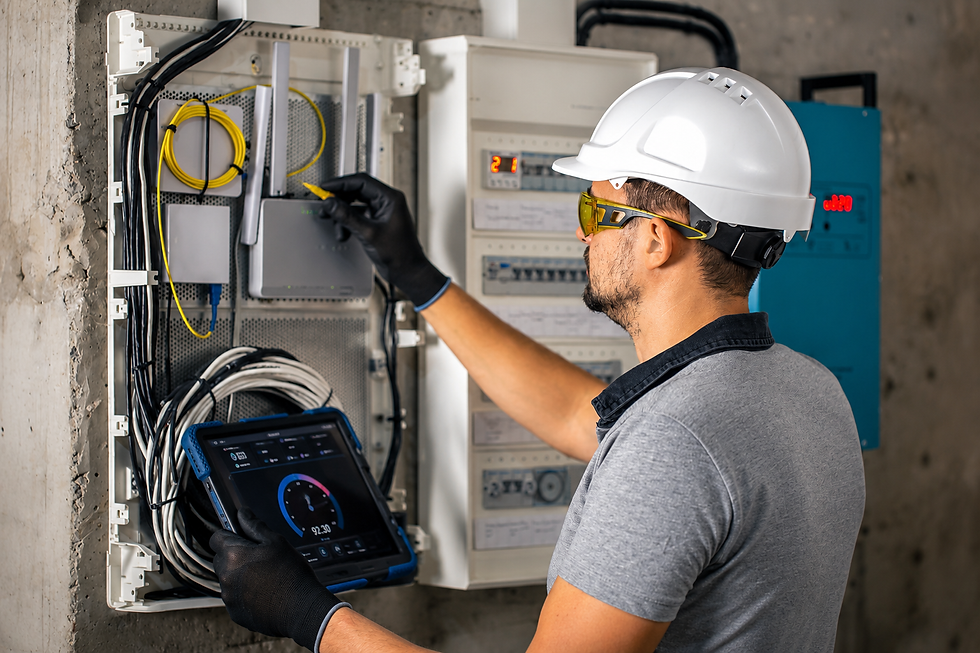
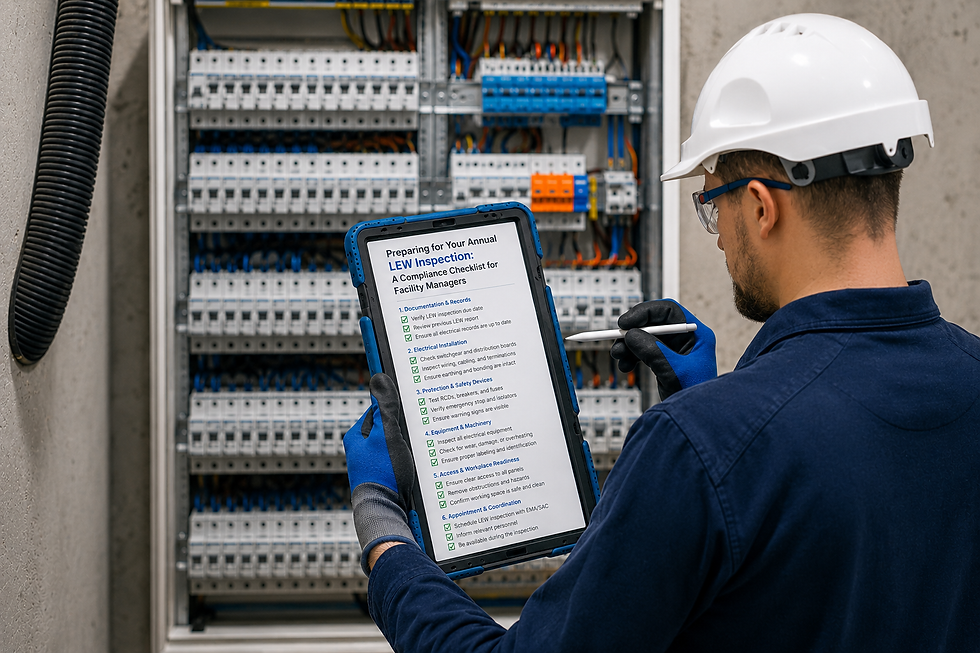
Teams should check distribution boards, wiring, sockets, lighting and safety switches. These parts may show early signs of strain, which could include loose wires or heat marks. By catching these signs early, teams avoid major faults and keep the environment safe.
Managing Electrical Load
Workplaces often add new devices, which increases demand on the system. Teams need to check that the current load does not exceed safe limits. This prevents issues like frequent trips or overheating and it keeps equipment running smoothly.
Maintaining Lighting Systems
Good lighting supports clear work, safe movement and energy control. Regular tests help teams confirm that lights work well and that wiring has no faults. Some workplaces choose to upgrade to efficient lighting, which lowers energy costs and supports long-term plans.
Checking Emergency Systems
Emergency lights, alarms and shut-off points must work at all times. Teams should test these systems often and record the results. This makes sure they respond correctly in situations where safety depends on them.
Common Electrical Problems in Commercial Settings
Even with a strong plan, teams will face issues from time to time. When they understand the common signs, they can act early and avoid larger problems later.
Equipment or Wires That Become Hot
Heat may show that a part is under strain. This can come from worn wires, heavy loads, or lack of airflow. When a team acts fast, they protect both staff and the equipment.
Frequent Tripping of Circuits
If a circuit trips often, it may mean the load is too high or that there is a deeper fault. This should not be ignored because it can lead to loss of power and damage to electrical parts.
Lights That Flicker or Dim
This can happen due to loose connections or unstable voltage. While it may look like a small issue, it can be a sign of a wider system imbalance that needs attention.
Working With Professional Electrical Services
Some tasks require trained and certified experts, especially when dealing with complex wiring or faults that need skilled diagnosis. A commercial electrician can offer this level of support and help teams handle difficult or high-risk work with confidence.
Many workplaces also choose to keep contact with an emergency commercial electrician who can respond when a sudden fault stops business operations. Their quick action helps prevent long delays and reduces risk to both people and property.
In addition, some businesses use regular services to support long-term planning. These services help teams maintain high standards and keep systems within safety rules.
How to Choose the Right Electrical Partner
Choosing the right partner helps teams keep their systems in good shape. A reliable provider will guide maintenance teams, offer clear reports and respond on time when support is needed.
A strong partner should have a good record, strong skills and knowledge of building rules. They should also deliver a full range of support, including commercial electrical service, planned inspections and long-term maintenance plans. This helps teams work smoothly and stay prepared for changes or upgrades.
When repairs are required, planned visits from skilled teams help avoid unnecessary risks. A partner who offers commercial electrical repair can support both simple fixes and more serious issues.
Building an Effective Maintenance Plan
A clear plan guides the team and sets the right pattern for checks and repairs. When every person understands the process, the workplace becomes safer and more stable.
Create an Inventory of All Electrical Parts
List every device, circuit and panel. This helps the team find and check items quickly.
Set a Regular Inspection Schedule
Some checks should happen monthly, some quarterly and some yearly. A set pattern helps the team stay organised.
Assign Tasks to Specific Team Members
When duties are clear, work moves smoothly and nothing is missed.
Record Every Check and Repair
These notes help track changes and support future decisions. They also show compliance with safety guidance.
Work With Skilled Partners When Needed
Teams often combine their own work with support from experts, such as a provider offering electrical technician services. This balance improves safety and prevents long delays.
Conclusion
Modern maintenance teams rely on steady and well-planned electrical work to support daily business activity. With regular checks, clear planning and support from trusted experts, teams protect both people and equipment. They also reduce downtime and prevent costly faults.
A strong plan will include scheduled tests, emergency support from an emergency commercial electrician and ongoing commercial electrical service when needed. With these steps in place, any workplace can operate with confidence and maintain a safe and stable environment.
At Tay Engineering Consultancy & Services, we provide practical guidance and dependable support for businesses that want safe and efficient electrical systems. Our team works closely with clients, and we take pride in helping them build strong maintenance plans that suit their daily needs.

Comments